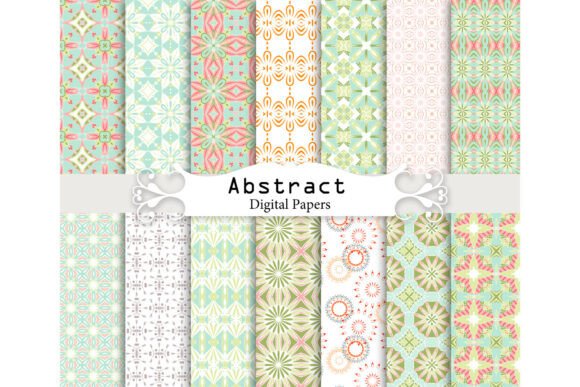
Geometric Pattern Backgrounds for Creative Projects
Geometric pattern backgrounds offer a versatile and visually striking solution for a wide range of design needs. These seamless, high-resolution patterns combine clean lines, structured shapes, and modern aesthetics to create a strong visual foundation for any project. Whether you're working on digital art, print materials, or web design, geometric patterns can add depth, texture, and a professional edge to your work.
The appeal of geometric pattern backgrounds lies in their ability to balance simplicity with complexity. They often feature repeating triangles, circles, hexagons, and other mathematical forms arranged in a way that creates movement and rhythm. This makes them ideal for both minimalistic and bold designs. The patterns are typically available in a variety of color schemes, from monochrome to vibrant gradients, allowing for flexibility across different styles and themes.
Where Geometric Pattern Backgrounds Shine
Geometric pattern backgrounds are particularly effective in projects that require a sense of order, innovation, or modernity. In web design, they can serve as subtle background textures that enhance user experience without overwhelming the content. For social media graphics, these patterns provide a polished look that stands out while maintaining readability.
In editorial design, such as magazines or newsletters, geometric patterns can be used to separate sections, highlight key information, or add visual interest. They also work well in packaging design, where a clean and structured look can reinforce brand identity. For personal use, like journaling or scrapbooking, these backgrounds offer a creative canvas that elevates handmade projects with a touch of sophistication.
Commercial applications include product packaging, promotional materials, and even apparel. The seamless nature of the patterns ensures they can be scaled to fit any size without losing quality. With a resolution of 4800×4800 pixels and 300 DPI, these backgrounds are suitable for both digital and print use, making them a valuable addition to any designer's toolkit.
Choosing the Right Geometric Pattern for Your Project
Selecting the right geometric pattern involves considering the tone and purpose of your project. A bold, colorful pattern might work well for a children's book or a playful marketing campaign, while a more subdued, monochrome design could be better suited for corporate reports or professional websites.
When evaluating geometric patterns, pay attention to how they interact with other design elements. A busy pattern may clash with intricate illustrations, while a simpler one can complement them. Testing different font pairings is also important—especially if text will be overlaid on the background. Ensure that the contrast between the pattern and the text is sufficient for readability.
Reviewing the included styles is another key step. Some geometric pattern sets may include variations in line weight, spacing, or color, which can affect how they perform in different contexts. It’s also wise to check the licensing terms, especially if the patterns will be used commercially. Many designers opt for premium fonts or design assets that offer clear usage rights and support.
Practical Tips for Using Geometric Patterns
Start by identifying the mood you want to convey. A dynamic, angular pattern can suggest energy and creativity, while a more symmetrical design might communicate stability and professionalism. Consider the audience as well—geometric patterns can resonate differently with younger versus older demographics, depending on the style and color palette.
For web design, use geometric patterns sparingly to avoid overloading the page. A subtle background can add character without distracting from the main content. When using them in print, ensure that the file format and resolution meet the required standards for high-quality output.
Experiment with layering. Combining geometric patterns with photographs or illustrations can create a layered, multidimensional effect that draws the eye and adds depth. Don’t be afraid to mix different types of patterns—sometimes a combination of geometric and organic shapes can produce unexpected and compelling results.
Finally, always test your designs in real-world scenarios. View them on different devices, check how they look in various lighting conditions, and get feedback from others. This helps ensure that the geometric pattern backgrounds you choose not only look good but also function effectively in their intended context.
Why Geometric Pattern Backgrounds Matter in Design
Geometric pattern backgrounds play a crucial role in shaping the visual language of a project. They contribute to the overall aesthetic, influence how users perceive a brand, and can even impact engagement. A well-chosen pattern can make a design feel more cohesive, professional, and memorable.
From a branding perspective, consistency is key. Using the same geometric pattern across different platforms—whether it's a website, business card, or social media post—helps reinforce brand recognition. This is especially true for small businesses or independent creators who rely on strong visual identities to stand out in competitive markets.
For content creators and marketers, geometric pattern backgrounds offer a way to elevate the visual appeal of their work without requiring advanced design skills. They can be used as templates for presentations, infographics, or email newsletters, providing a polished look that aligns with professional standards.